Home > News > News

Patient Lift Buying Guide for Home Care

Jan. 01, 2026

The need for patient lifts in home care settings is becoming increasingly vital as families and caregivers seek solutions to assist individuals with mobility challenges. Peripheral products such as slings, transfer belts, and safety rails are essential companions to the main lift devices, enhancing overall caregiver and patient safety. This guide will provide actionable insights to help you navigate the selection of patient lifts, ensuring you choose the right equipment for your loved one’s needs while promoting comfort and security.

Understanding Patient Lifts

  • Definition and Purpose: Patient lifts are devices designed to assist caregivers in transferring patients with limited mobility, reducing the risk of injury for both parties.
  • Types of Patient Lifts:
    • Manual Patient Lifts: Operated by the caregiver, suitable for lighter patients.
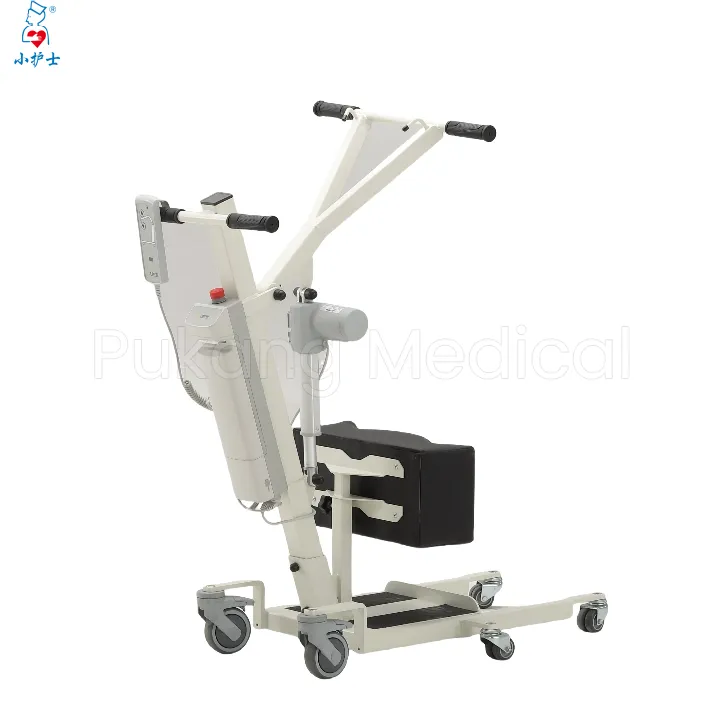
    • Electric Patient Lifts: Offer motorized assistance for easier transfer, ideal for heavier individuals or those who may be unable to assist in their own transfer.
    • Ceiling Lifts: Installed on tracks within the ceiling, providing a space-saving solution and minimizing risk.

Factors to Consider When Buying a Patient Lift

  • Weight Capacity: Ensure the lift can accommodate the patient’s weight; consider lifts with a higher weight capacity for future needs.
  • Type of Sling: Different slings offer varying levels of support. Choose one suited to the patient’s specific needs.
  • Ease of Use: Determine if the lift is user-friendly for both the caregiver and patient, especially in emergency situations.
  • Budget: Prices vary significantly. Set a budget while considering the total cost of ownership, including maintenance and slings.

How to Choose the Right Patient Lift

  • Assess Patient’s Needs: Evaluate mobility limitations and the environment where the lift will be used.
  • Consult Healthcare Providers: Discuss options with physical therapists or other healthcare professionals for personalized recommendations.
  • Test Products: If possible, physically test different models to see which one works best for your specific situation.

Peripheral Products to Enhance Safety and Comfort

  • Slings: Invest in a variety of slings for different tasks (e.g., toileting, bathing, etc.). Ensure compatibility with the lift.
  • Transfer Belts: Useful for manual transfers or additional support during lifting.
  • Safety Rails: Provide additional support for entering and exiting the lift or during transfers.

Maintenance and Safety Tips

  • Regular Inspection: Frequently check all lift components for wear and tear.
  • Follow Manufacturer Guidelines: Adhere to maintenance schedules and user instructions provided by the manufacturer.
  • Training for Caregivers: Ensure all caregivers know how to use the lift correctly to enhance safety.

Additional Considerations: Accessibility and Space

  • Room Size: Measure the space where the lift will be used to ensure there’s adequate room for operation.
  • Movability: Determine if a portable lift is necessary for use in multiple locations.
  • Accessibility Features: Check for models that include features like adjustable height and swivel attachments for better patient positioning.

Conclusion: Making an Informed Decision

Choosing the right patient lift is a crucial decision that can significantly impact the quality of life for both the caregiver and the patient. By assessing individual needs, consulting healthcare professionals, and understanding the various options available, you can ensure a thoughtful choice that enhances safety and comfort for everyone involved in the caregiving process. Don’t forget to consider the essential peripheral products that enhance the overall lift experience.

For a visual reference of one of the popular patient lift models, see here:
Patient Lift Buying Guide for Home Care
Chat with Us